The SAGEViBE blog
Eating, tracking, and habits — made simple.
Clear, practical guidance for understanding your food and building routines that fit your life — without guilt, noise, or endless logging.
Latest stories
Useful reads for real life

How to Name Your Emotions
Here is how to name your emotions: ask two questions — how much energy is in your body right now, and does the feeling sit pleasant or unpleasant? That points you to a quadrant, then a specific word: not just "bad," but "drained," "anxious," or "discouraged." Putting a precise name to a feeling is linked to handling it better.

Catherine Agape
October 29, 2026
How SAGEVibe Calculates Calories Burned — And Why the Numbers Add Up
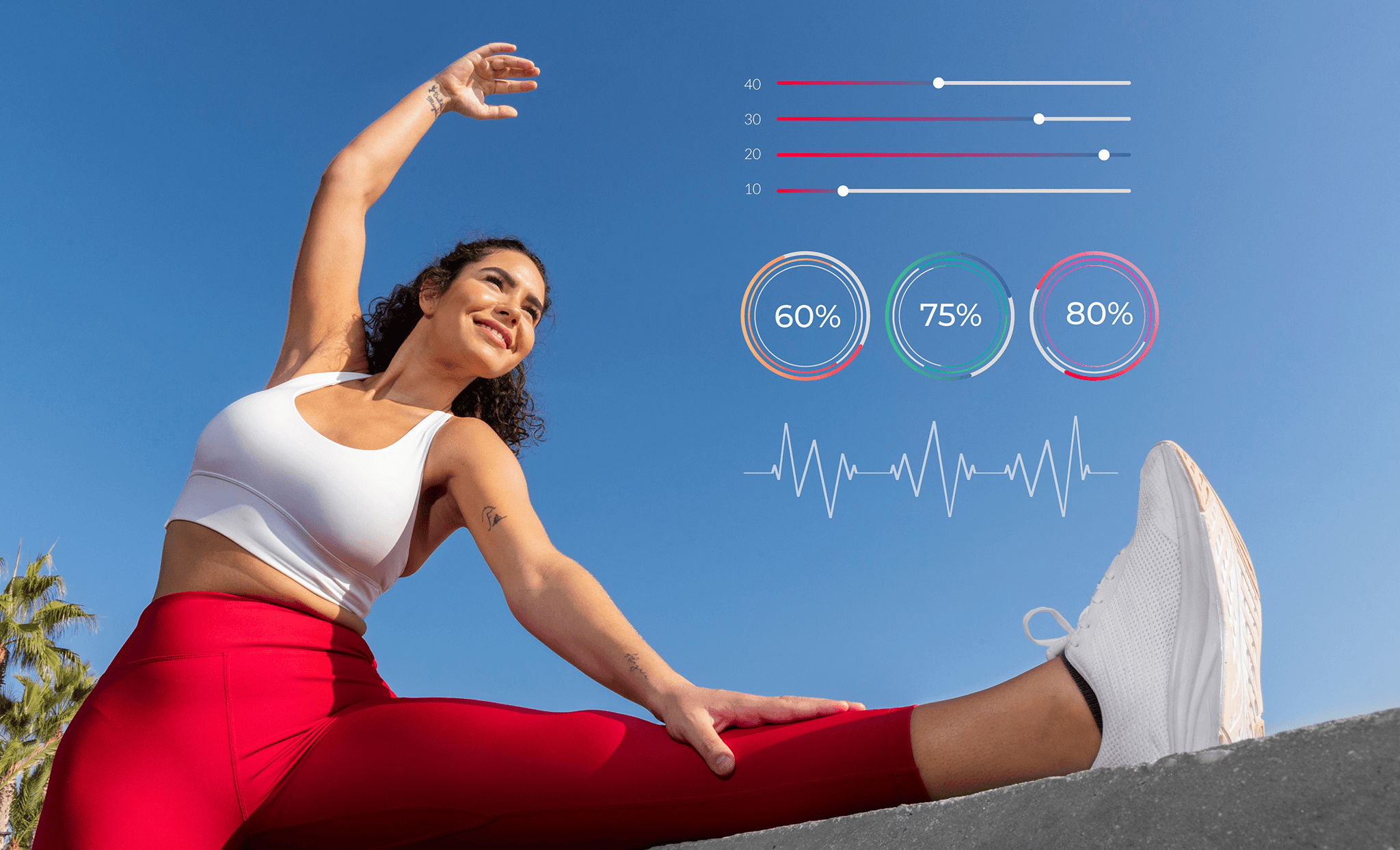
How SAGEVibe calculates calories burned: it uses the same MET-based equation used in exercise science, `calories = MET × body weight (kg) × duration (hours)`. The MET value for each activity comes from the peer-reviewed 2024 Adult Compendium of Physical Activities, which lists measured energy costs for 1,114 different activities.

SAGEVibe team
October 29, 2026

Daily mood check-in
A daily mood check-in beats a monthly mood survey because feelings don't survive memory intact. Asked in the moment, a check-in captures how you actually feel; asked weeks later, you reconstruct the feeling — colored by how you feel today. Short and frequent is better data, and a far better habit, than long and occasional.
SAGEVibe team
October 29, 2026

Can Mood Tracking Backfire
Mood tracking can backfire when it turns into brooding — replaying the same negative thought without moving — which tends to deepen a low mood. But brief, structured, action-oriented reflection does not. Whether tracking helps or harms depends almost entirely on how the tool is designed, not on tracking itself.
Catherine Agape
October 29, 2026
The Emotion Wheel Explained
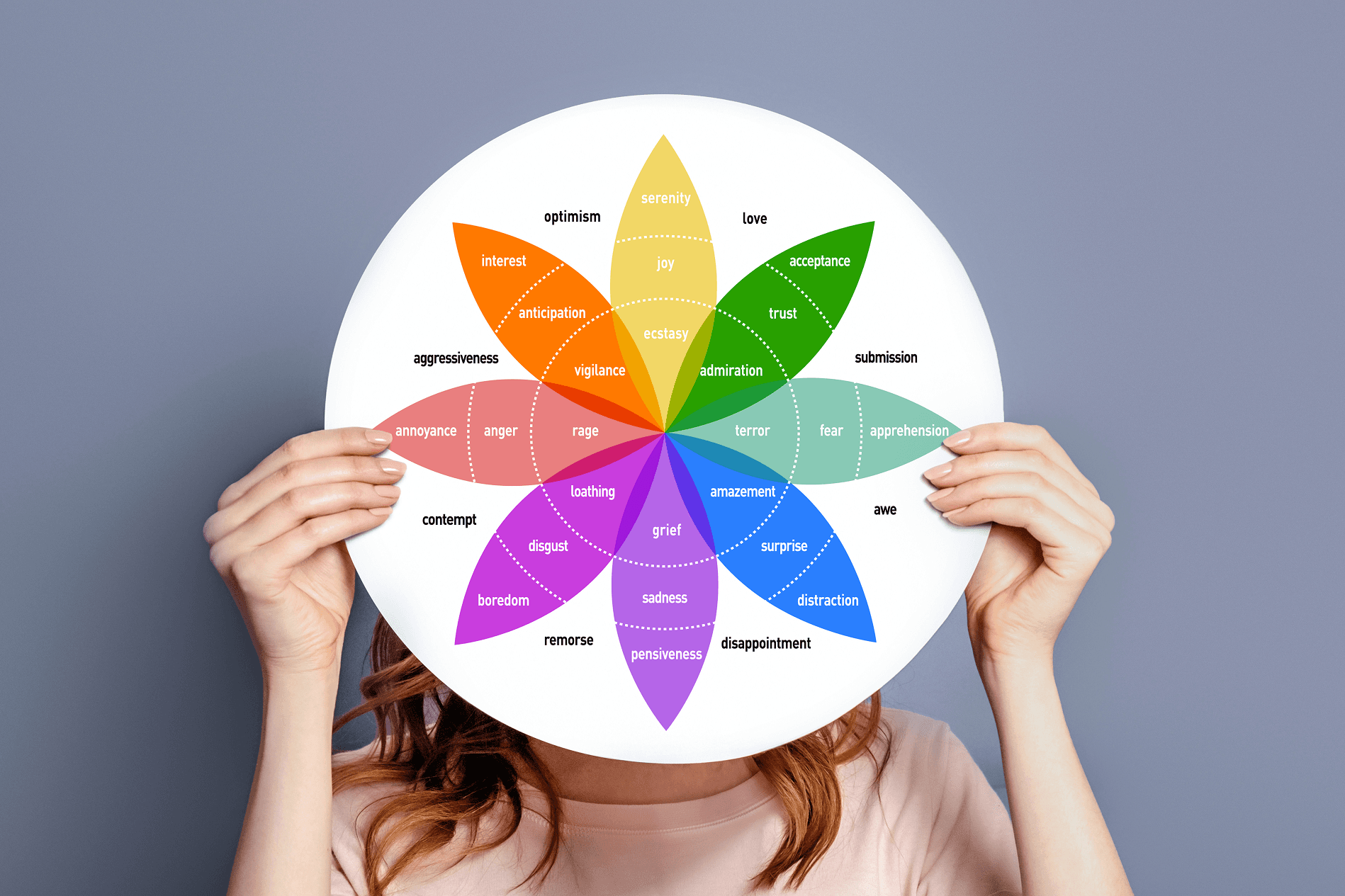
An emotion wheel is a visual map that helps you identify and name feelings by showing how they relate. The two most popular versions are Plutchik's wheel, which organizes eight core emotions into three intensity levels, and the Mood Meter, which categorizes feelings using two dimensions: energy level and whether they feel pleasant or unpleasant.
Catherine Agape
October 23, 2026
Useful, not noisy
Get the no-logging playbook.
Practical food and habit ideas — one email, no spam.